 Mahjong PlanetAll stories
Meet Our Mahjong Bots: All Nine Free During Launch
· Mahjong Planet
All nine computer opponents are free during launch. See how each bot plays, compare their early ratings and choose a lineup for your next practice game.
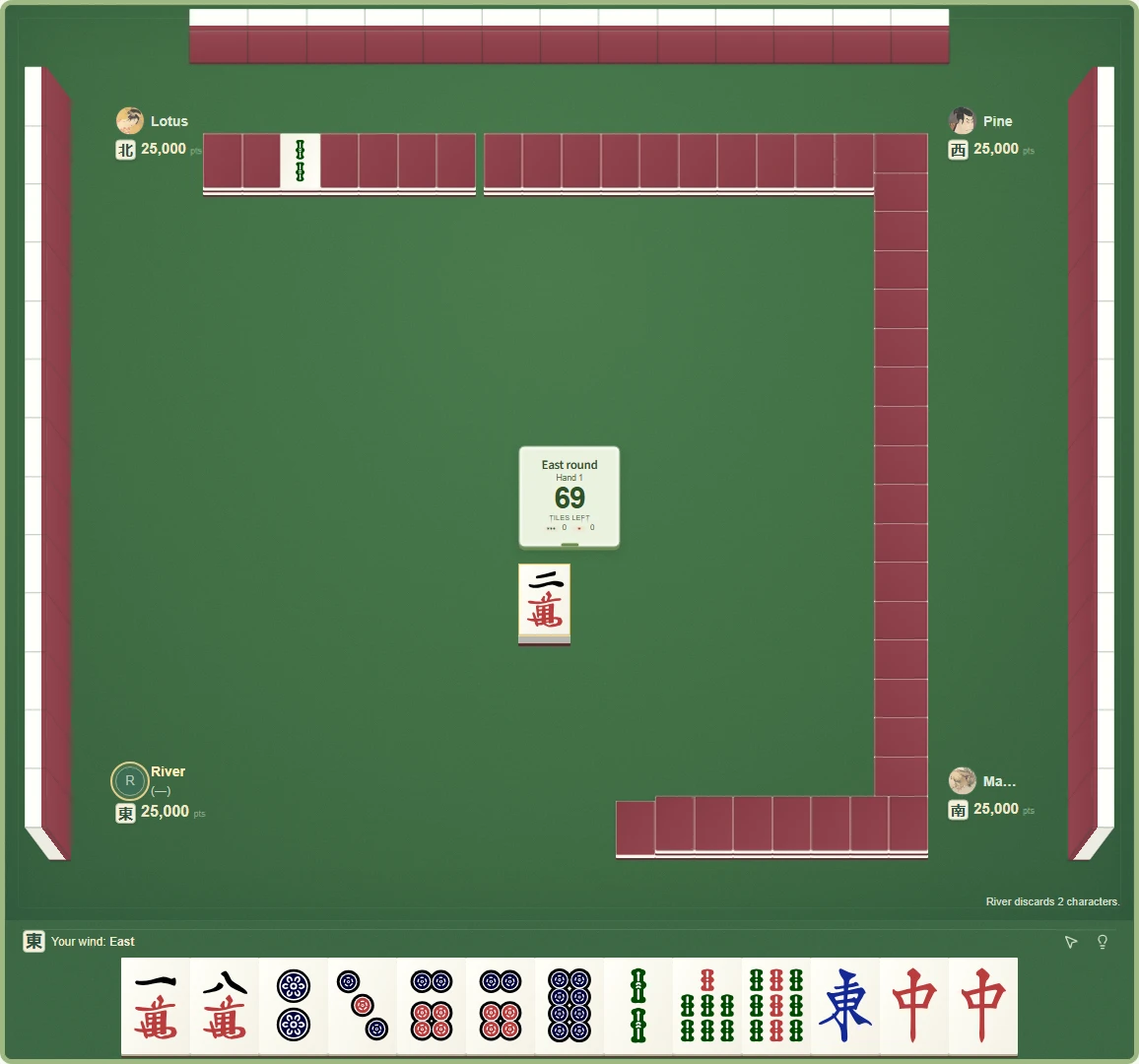
All nine bots are free during launch
Maple keeps pairs, Lotus favors one suit, and Fern usually discards the tile just drawn. These habits change the decisions you face at the table. Here is how to choose opponents for practice.
During our launch, all nine bot characters are free to choose with a free Mahjong Planet account. No Premium membership is needed. The offer covers computer practice in Riichi, three-player Riichi, Hong Kong, Chinese Classical, Taiwanese and Sichuan Mahjong, including the clock options available in each setup.
This is a limited-time launch offer with no end date announced yet. We will announce an end date before it finishes. Pick your opponents, try a different combination, and tell us who you enjoy playing against.
Start with Pebble, Fern or Clover
New to the tiles? These three leave room to experiment. Their habits make them different kinds of company, not a promise that a particular hand will be easy.
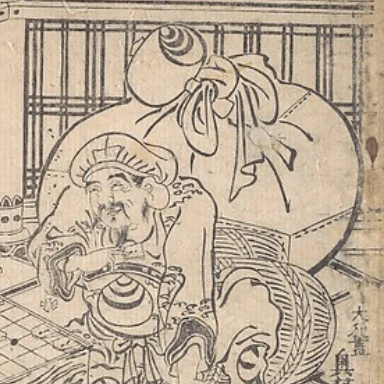
Pebble
The glorious disaster
“That looked useful. Better throw it away.”
The gentlest starting point, with a mischievous twist: Pebble deliberately chooses the least promising legal discard. Useful tiles are often the first to go. Do not mistake that generosity for a free win—Pebble still takes a winning hand.

Fern
The daydreamer
“Sorry. Was admiring the bamboo.”
Fern usually throws away the tile just drawn, keeping much of the opening hand intact. That makes for a gentle, distinctive opponent. Legal wins and calls are still on the menu.
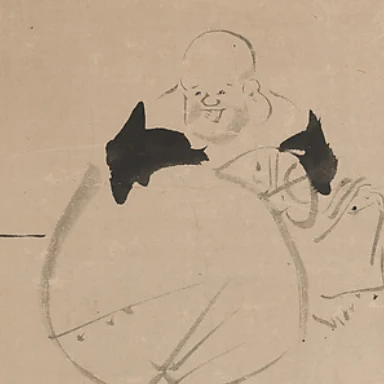
Clover
The happy experimenter
“I had a plan. It was a very small plan.”
Clover mixes engine choices with random legal discards. Some turns look sensible; others take a detour. Choose Clover when you want a little unpredictability rather than a perfectly consistent sparring partner.
Maple, Pine and Lotus have favorite patterns
Pairs, honors, or one beloved suit: these characters put their preferences into their discards. Playing them can make those tendencies easier to spot.
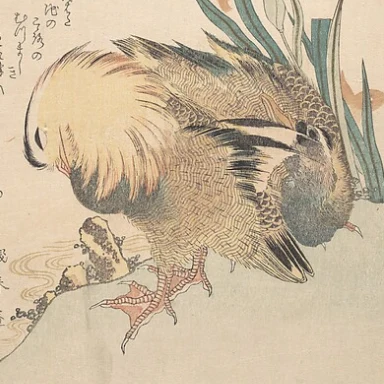
Maple
The collector
“Two of everything. Just in case.”
Maple has a soft spot for matching tiles. When choices leave the hand equally close to ready, pairs get extra protection. That does not mean every hand becomes Seven Pairs: the engine still handles calls and wins.

Pine
The lightning round
“The dragons are coming with me.”
Pine protects honor pairs and triplets when the hand is equally close to ready. In Sichuan, where there are no honors, that preference becomes a fondness for pairs and triplets. The lightning-round personality describes a style, not a separate clock rule.

Lotus
The one-suit romantic
“I only have eyes for one suit.”
Lotus favors the most numerous suit and, where the variant has them, honors. That commitment can continue even when another discard would make the hand more efficient. A good opponent for seeing how a strong preference shapes a hand.
Try Cedar, Birch or Willow for more of a challenge
Try these when you want to spend more time thinking about shape, efficiency and the next useful tile. The same name can play differently under another variant’s rules.

Cedar
Your steady sparring partner
“A good shape and a cup of tea. Sorted.”
A steady partner who keeps the hand moving toward ready, then favors middle numbers over honors and terminals. Cedar is a useful choice when you want to practise against fairly direct hand building.

Birch
The shape enthusiast
“My spreadsheet has a spreadsheet.”
In Riichi, Birch looks for the shortest route to a ready hand, then the widest range of improving tile types. In other variants, Birch follows that variant engine’s hand-shape evaluation. Expect purposeful discards.
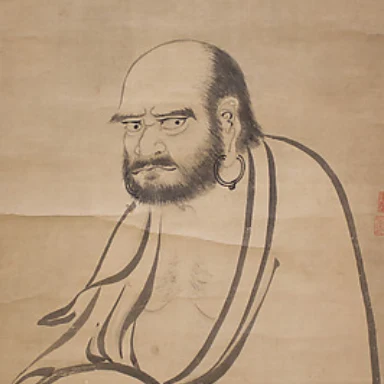
Willow
The quiet thinker
“I am not glaring. I am calculating.”
Willow uses the full Riichi engine, weighing hand value, efficiency and danger. In other variants, Willow follows the corresponding standard engine. This is our baseline opponent for a more demanding practice table—not a verified human rank.
What their results look like so far.
Here is a snapshot of their four-player Riichi ratings and final placements, retrieved on 11 November 2026. These are actual completed rated matches in the Riichi pool. They are not results from the practice hand pictured above, and they do not combine other variants or the separate exhibition rating pool.
A first-place percentage means finishing a rated match first—not winning an individual hand. The second-, third- and fourth-place columns use the same denominator: the rated-match count shown for that bot. Percentages are rounded, so a row may add up to 99.9% or 100.1%.
| Opponent | Rating | Matches | 1st | 2nd | 3rd | 4th |
|---|---|---|---|---|---|---|
| Clover | 1431 | 43 | 4.7% | 34.9% | 37.2% | 23.3% |
| Fern | 1344 | 38 | 7.9% | 15.8% | 31.6% | 44.7% |
| Maple | 1593 | 50 | 40.0% | 26.0% | 24.0% | 10.0% |
| Birch | 1551 | 64 | 21.9% | 34.4% | 28.1% | 15.6% |
| Cedar | 1579 | 53 | 34.0% | 22.6% | 17.0% | 26.4% |
| Pine | 1546 | 48 | 20.8% | 39.6% | 27.1% | 12.5% |
| Willow | 1716 | 41 | 63.4% | 22.0% | 12.2% | 2.4% |
| Pebble | 1409 | 11 | 0.0% | 18.2% | 18.2% | 63.6% |
| Lotus | 1528 | 10 | 40.0% | 20.0% | 30.0% | 10.0% |
Why these ratings can still change
The samples are still small: Lotus has 10 rated Riichi matches in this snapshot, Pebble has 11, and even Birch has only 64. One result changes Lotus’s placement percentages by ten percentage points. Mahjong has plenty of variance, and the mix of opponents matters too.
Our interface marks ratings as provisional for the first ten rated games. All nine have now reached that threshold in Riichi, but passing it does not suddenly make a rating a settled measure of playing strength. These are early estimates that can move as the bots play more rated matches against a broader range of opponents.
Willow currently leads this group at 1,716, with 26 first places in 41 rated matches. That describes the recorded sample; it is not a prediction that Willow will win your next game. Ratings in Hong Kong, Sichuan, Taiwanese, Chinese Classical and three-player Riichi are separate. Open a bot’s profile for its current numbers.
Build your own table.
Open Play, choose Play against computers, and select a Mahjong variant. Remove a selected opponent to make room for someone else. Choose two opponents for three-player Riichi, or three for the other variants, then choose your clock and start.
For a relaxed introduction, try Pebble, Fern and Clover. For contrasting habits, try Maple, Pine and Lotus. For a more focused session, put Cedar, Birch and Willow at the table. In three-player Riichi, choose any two.
Computer practice is unrated, so experimenting does not change your public rating. Choosing a clock also does not turn practice into rated play. The ratings above come from separate rated games.

Where the portraits come from
The portraits are cropped from public-domain Japanese artworks in The Metropolitan Museum of Art’s collection. Each bot profile includes the artwork title, artist and a link to the original. The screenshots in this story show our actual practice interface.
If a bot makes a move you do not understand, save the replay and send us the game link. It helps us check the decision and improve the opponents.